


Living Independently with a Disability: Navigating Support, Autonomy, and Life Management
Living independently is a universal aspiration, but for people with disabilities, it often involves navigating a complex landscape of support systems, accessibility barriers, and societal expectations. Independence doesn’t mean doing everything alone—it means having the freedom to make choices, manage life on one’s own terms, and access the supports necessary to thrive. This journey looks markedly different from that of able-bodied individuals, whose independence is often taken for granted.

Defining Independence Beyond Physical Ability
For able-bodied people, independence typically involves moving freely, managing daily tasks without assistance, and accessing public spaces without barriers. For people with disabilities, independence is more nuanced. It may involve using assistive technologies, relying on personal support workers, or modifying environments to suit specific needs. These adaptations don’t diminish independence—they redefine it. Independence for a disabled person is about autonomy, not isolation.

Support Systems: The Backbone of Independent Living
Support is not a sign of dependence—it’s a tool for empowerment. Whether it’s government-funded programs like the NDIS in Australia, accessible housing, transportation services, or community-based care, these supports enable disabled individuals to live with dignity and choice. Personal care assistants, mobility aids, and communication devices are not luxuries—they’re essentials that bridge the gap between dependence and autonomy.
However, accessing these supports can be a challenge. Bureaucratic hurdles, funding limitations, and inconsistent service quality often force disabled individuals to become expert navigators of complex systems. Unlike able-bodied individuals who may not need to engage with these structures, disabled people must constantly advocate for their needs, plan around service availability, and manage contingencies when support fails.
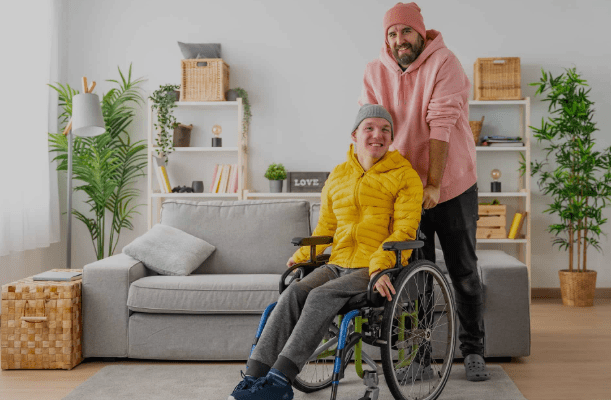
Life Management: Planning, Flexibility, and Resilience
Managing life independently with a disability requires strategic planning. Tasks like grocery shopping, attending appointments, or even socializing may involve coordinating transport, ensuring physical accessibility, or scheduling support workers. This level of planning is rarely required for able-bodied individuals, who can act spontaneously without considering these layers.
Moreover, disabled individuals often face societal attitudes that question their capability. This can lead to overprotection, exclusion from decision-making, or assumptions that independence is unattainable. Challenging these perceptions is part of the daily reality for many, and asserting autonomy becomes both a personal and political act.

Redefining Independence as Interdependence
True independence isn’t about doing everything alone—it’s about having control over your life. For disabled people, this often means embracing interdependence: a model where mutual support, community, and collaboration replace the myth of total self-sufficiency. This approach benefits everyone, disabled or not, by fostering inclusive environments where support is normalized and valued.
In contrast to able-bodied independence, which often overlooks the invisible networks of support (like infrastructure, health, and social privilege), disabled independence is visible, intentional, and deeply resilient. It demands creativity, advocacy, and strength—and it deserves recognition and respect.
Living independently with a disability is not just possible—it’s powerful. With the right support, inclusive policies, and societal understanding, independence becomes a shared goal, not a solitary achievement.

 Solution Ideas Ability Boutique
Leave a comment