


Words from George
CEO
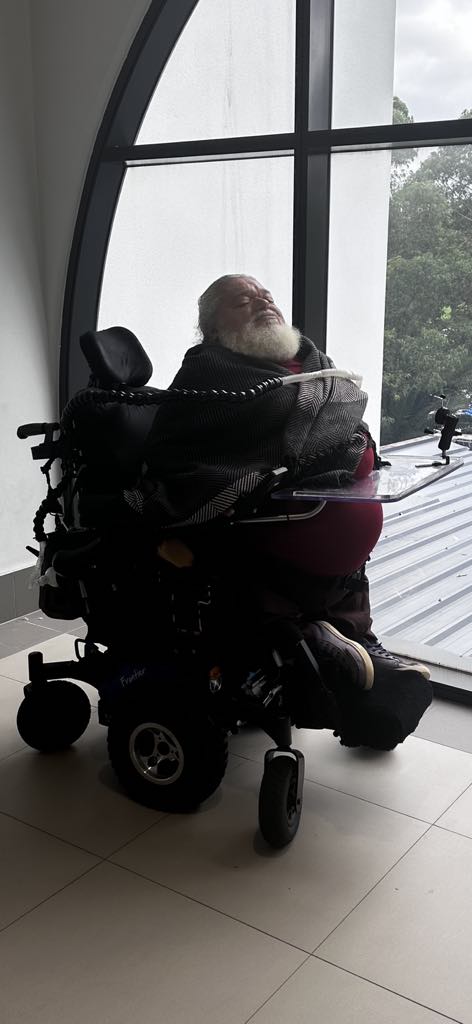
Navigating the Challenges of Accessible Housing in Australia: A Journey of Discovery
As we usher in 2025, Australians embark on a profound journey of self-discovery. Amidst this exploration, housing has emerged as a significant challenge. Accessible housing, particularly those adopting the concierge model, shines as a beacon of hope. However, like many facets of life, these solutions face limitations.
One pressing issue is the inadequacy of housing for people with disabilities (PWD). I recently encountered a frustrating situation where I had to request the Department of Housing to repair a product they had installed in the home. Their automatic response was to suggest contacting the National Disability Insurance Scheme (NDIS). I had to explain that this was their responsibility, not the NDIS’s because I have been living independently longer than the NDIS existed. With self-advocacy and down-right persistence, Department of Housing supported me and two friends with disability to live independently. My only other options at the time were group homes or nursing homes!
I then posed an important question to the housing representatives: Why are individuals automatically referred to the NDIS when the scheme only accommodates around 600,000 plus participants, while over 5 million Australians live with disabilities? This disparity poses a significant challenge, making it harder to assist people with disabilities in securing accessible housing. The current approach requires urgent attention.
The advent of Specialist Disability Accommodation (SDA) homes has been a remarkable innovation, providing a variety of customised support options within individual’s homes. On behalf of Solution Ideas, we extend our heartfelt gratitude to Karen Abdallah from MyLife Housing, Rebecca from Allara Support Services, and Lewim Ellis from AccessAccom, for generously sharing their wisdom and knowledge with us last month regarding SDA at our Inclusion Cafes.
A crucial lesson to share is that securing an SDA property typically takes around two years. For anyone considering this path, it is important to understand that entering SDA housing can be a life-changing event, significantly enhancing independence.
We invite our readers to reflect on these insights and continue supporting efforts to improve accessible housing for all Australians with disabilities.
Thank you for being a part of our community and for your commitment to making a difference.
Words from Sid
Writer / Author
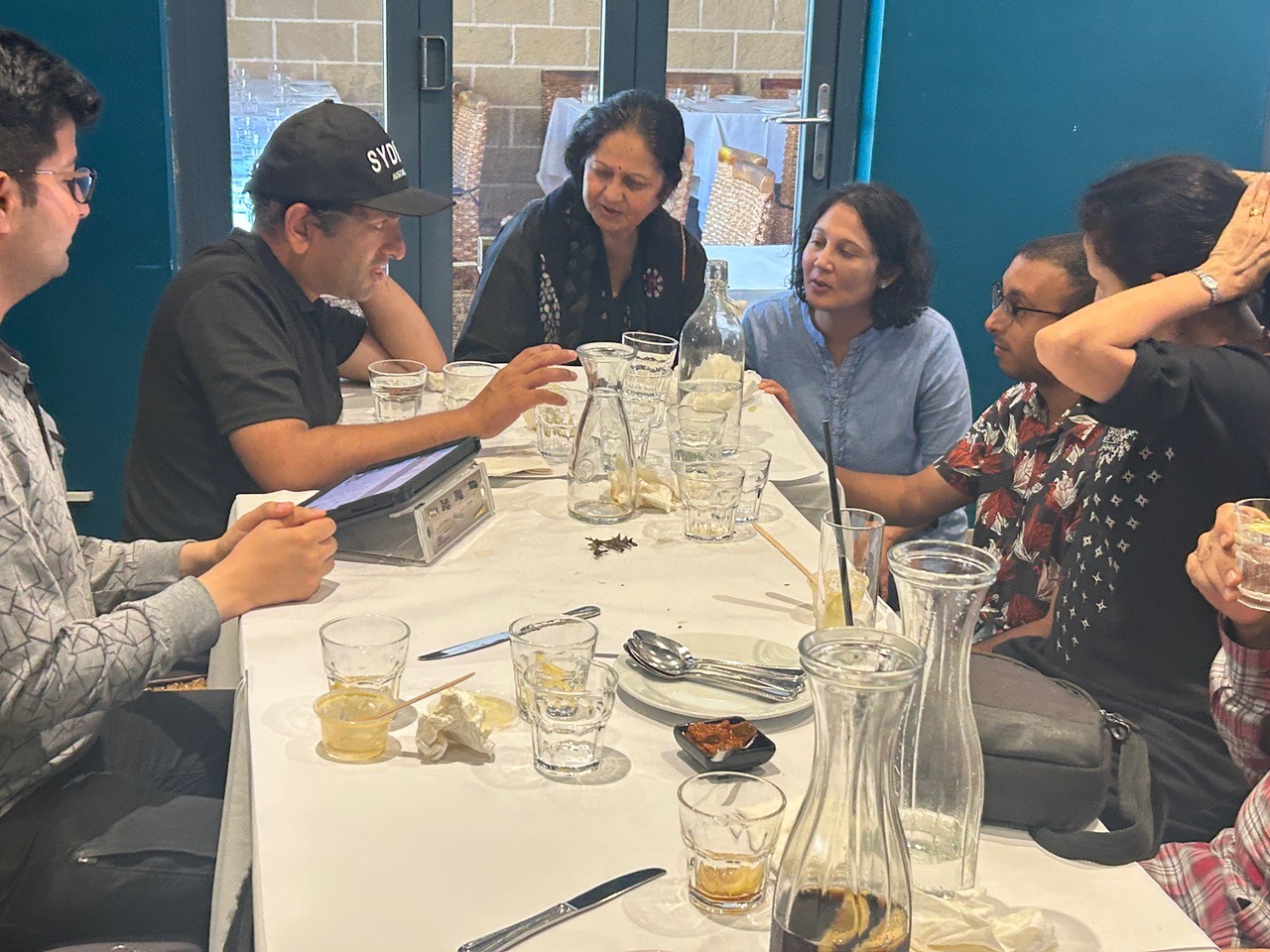
Living independently is the foremost priority for me this year. I plan to live with my friends in my current home but in a different arrangement. I am excited about the prospect of living in my own independent block. Once I am settled in my new home, I will get myself a dog and work on looking after my companion.
Little by little I am exerting autonomy by taking control of my life in ways I can. I take carefully thought-out walking expeditions on my own. I am really keen to look after myself, starting by learning some cooking skills.
To me, independence means that I ultimately have control of my life. It is important that others, including my mother, respect my wishes even though they may not feel convinced that I am on the right track.
I am also trying to express my feelings more efficiently through communication. I am trying to self-regulate. If you know severe autism you will know how significant this is.
As well as giving priority to building independence in all aspects of my life including my living arrangements, working on my new book is also a priority.
I am hopeful that I will do more writing this year. My writing will lead people to understand the need of those under close supervision to express their independence. I rebel and let my caregivers know that they can’t have it all their way. I would like to spend more time on this topic in the book I am working on this year.
This will be my second book. My first book An Unspoken Story is available via my website https://unspokenstory.com.au/
Sid
Words from Kevin
Disability Advocate / Marketing
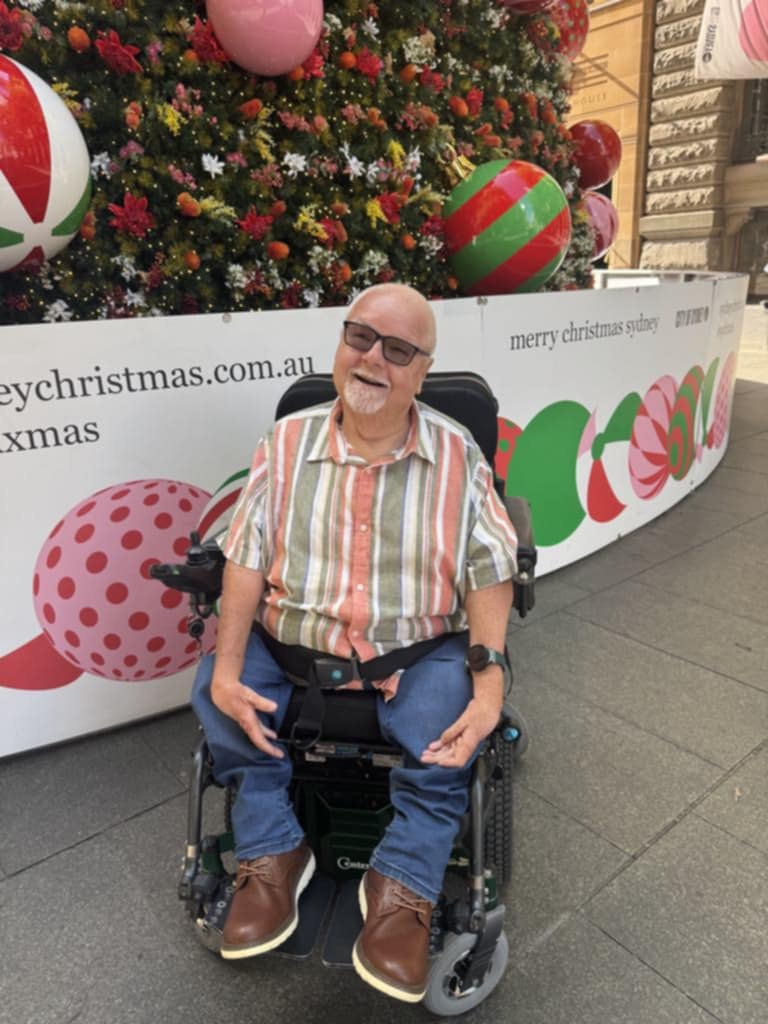
My name is Kevin Finlayson I’m a disability advocate. I currently reside in the Penrith LGA. I am past president of the Physical Disability Council of New South Wales. I have also served on the board of Penrith Disability Resource Centre Inc for many year 10 and pass President of the Physical Disability Council of NSW and board member for 8 years. I had a 4-year term on Penrith city council’s access committee. I have previously worked for Telstra, Australia Post, Mooney Real Estate in Penrith, Path to your door a local advacey organisation which has closed its doors in 2022. I have been advocating for people with disabilities for the past 25 years.
Throughout my journey as an advocate, I have witnessed firsthand the transformative power of community support and accessible services. It is imperative that we push for inclusive environments where individuals with disabilities can thrive. This includes not only physical accessibility but also opportunities for personal and professional growth.
The barriers we face are not just physical; they are also societal and attitudinal. With the right support and resources, these barriers can be overcome, enabling people with disabilities to contribute meaningfully to society.
My advocacy is fuelled by the stories and experiences of those I have met along the way.
Each person’s journey is unique, yet the common thread is the desire for dignity, respect, and the opportunity to lead an independent life. By working together, we can create a world where disability is not a hindrance but a part of the rich tapestry of human diversity.
I’m currently working part time for Active Care network and Solutions Ideas as their marketing coordinator.
I support individuals with disabilities in seeking employment and housing to lead a normal life in society.
I live in a two-bedroom SDA apartment in Penrith, close to transport, shops, and community businesses. This location supports my independent living.
I encourage individuals who do not have SDA Housing to submit an application. For further information, please contact me, and I will provide the necessary details to support your application.
Additionally, I recommend those seeking employment to pursue available opportunities. This can be facilitated through work programs, NDIS, and various job agencies
It is also possible to take your carer to work, with the arrangement that you pay the carer while the employer compensates you.
Should you require equipment for your employment, certain work programs are available to assist you.
Kevin Finlayson
 Solution Ideas Ability Boutique
Leave a comment