

This guide explains how people with disabilities can enjoy safe, respectful, and fulfilling sexual experiences, using clear headings for easy reading.

Understanding Sexuality
Having a healthy sex life is important for everyone, including people with disabilities. It means feeling good about your body, enjoying intimacy, and experiencing relationships safely. Disabilities may bring challenges, but they do not take away the right to love, pleasure, and connection.
Overcoming Barriers
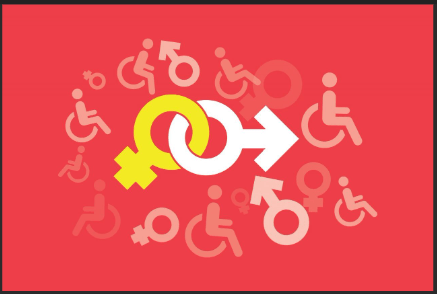
People with disabilities may face challenges such as physical limitations, chronic pain, fatigue, or communication difficulties. Society sometimes spreads myths that people with disabilities are not sexual, but everyone has sexual feelings and desires. Understanding this helps build confidence.
Consent and Communication
Consent is key. It means agreeing to sexual activity freely without pressure. People with cognitive or communication disabilities may need extra support to understand and express consent. Clear communication about likes, dislikes, and boundaries helps ensure safe and enjoyable intimacy.

Sexual Education
Sexual education teaches people how their bodies work, ways to prevent sexually transmitted infections (STIs), and how to avoid unwanted pregnancies. It also provides guidance on rights, relationships, and healthy behaviors. Easy-to-read materials, pictures, and discussions with healthcare professionals make this information accessible.

Physical and Emotional Intimacy
Intimacy may require creativity. People with mobility difficulties can try different positions, use supports or sexual aids, and explore activities like kissing, touching, oral sex, and masturbation. Emotional bonds, trust, and care are just as important as physical activity.

Sexual Health
Maintaining sexual health is essential. Regular check-ups, STI testing, preventive care, and personal hygiene help keep the body healthy. Everyone has the right to privacy and to make informed choices about contraception or pregnancy.
Body Confidence and Mental Wellbeing
Feeling positive about your body and sexuality increases enjoyment and reduces stress. Therapy or counselling can help with past experiences or societal stigma. Learning to cope with discrimination and microaggressions supports overall mental wellbeing.

Relationships and Respect
Relationships should be based on respect, trust, and communication, not just on disability. People can have relationships with others with or without disabilities. Partners should understand specific needs, be supportive, and adapt to ensure mutual satisfaction.
Community and Professional Support
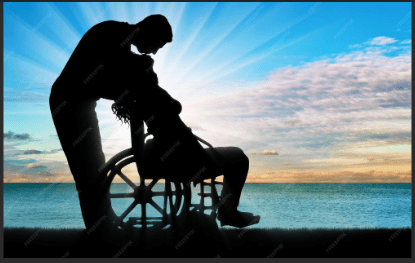
Connecting with peers, joining disability-friendly groups, and seeking guidance from sexual health educators or specialized healthcare professionals provides advice, confidence, and a sense of belonging. Professionals can help explore adaptations for sexual pleasure and wellbeing.
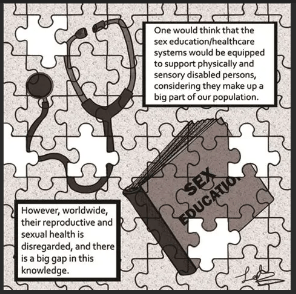
why is sex still taboo in the disability sector?
Lived Lens Podcast by George and Abrahim
Summary
A healthy sex life for people with disabilities includes understanding your body, practicing consent, clear communication, sexual education, creativity in intimacy, emotional connection, positive self-esteem, and community support. Everyone deserves safe, pleasurable, and fulfilling sexual experiences, regardless of their abilities.
People with disabilities and their partners should be empowered to explore sex safely,
creatively, and with enjoyment, in alignment with their preferences and rights.
 Solution Ideas Ability Boutique
Leave a comment